Crack Repair in Brisbane
Queensland's building regulator separates cracks it treats as acceptable movement from cracks it says to investigate, and the dividing lines are measured: 5 mm for a wall crack and 2 mm for a crack in a concrete floor. What sits on each side of those lines is below.
Thanks — we have your enquiry. Someone will be in touch shortly. Prefer to talk now? Call (07) 3523 1792.
What crack repair in Brisbane actually involves
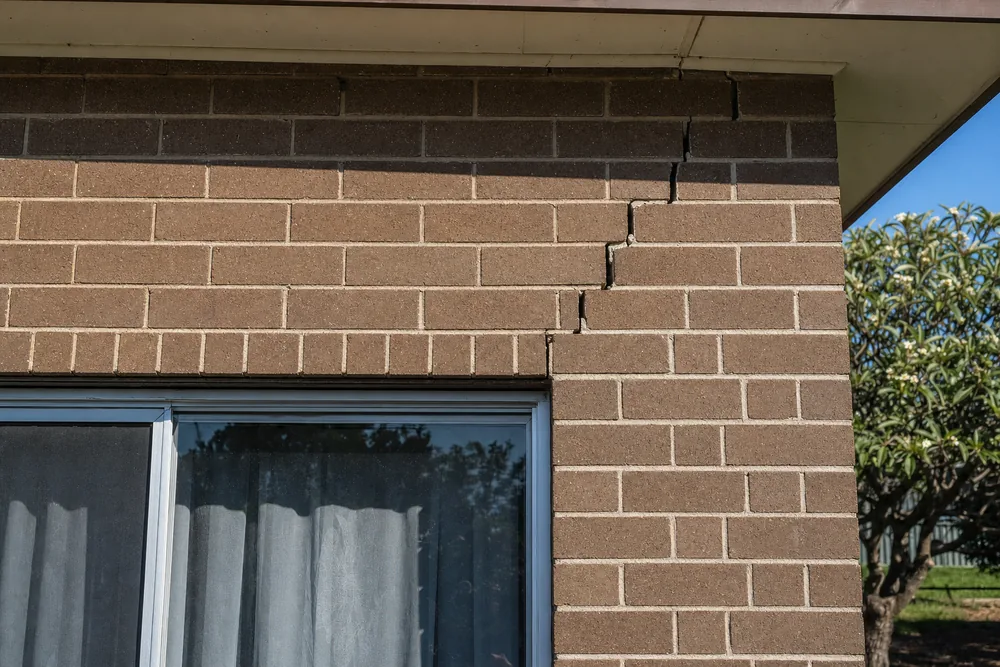
Where a crack runs says something. CSIRO describes step cracking through the mortar beds of a wall, and cracking above and below doors and windows, as what brickwork does when the ground under it moves: masonry tries to span the area that has lost support and gives at its weak points, which are usually the openings. Vertical cracks through the bricks themselves are the other pattern it lists.
Fixing the crack, or the cause
Filling a crack does not stop what opened it. CSIRO says that where erosion or local shear is the cause, cracking will usually continue to develop until the cause is remedied, and that most cracking in masonry walls is otherwise a cosmetic nuisance. It also notes that once a wall has cracked from swelling and shrinking, the crack is likely to stay at least partly open and may widen with each cycle, so monitoring should always be taken seriously.
In Queensland the builder is responsible for fixing issues caused by their building work within 6 years and 6 months of starting it, and QBCC will assess a complaint if the builder does not agree to fix the problem. For a newer home the first call is therefore to the builder, with a dated record of when the cracking appeared.
Crack Repair in Brisbane — common questions
Which cracks can be left alone?
QBCC's list of acceptable movement includes hairline cracks in walls, wall cracks that are noticeable but easily filled and under 5 mm wide, and hairline cracks in concrete floors under 2 mm. CSIRO adds that most masonry cracking is a cosmetic nuisance that can be kept in repair or even ignored.
When is a crack a worry?
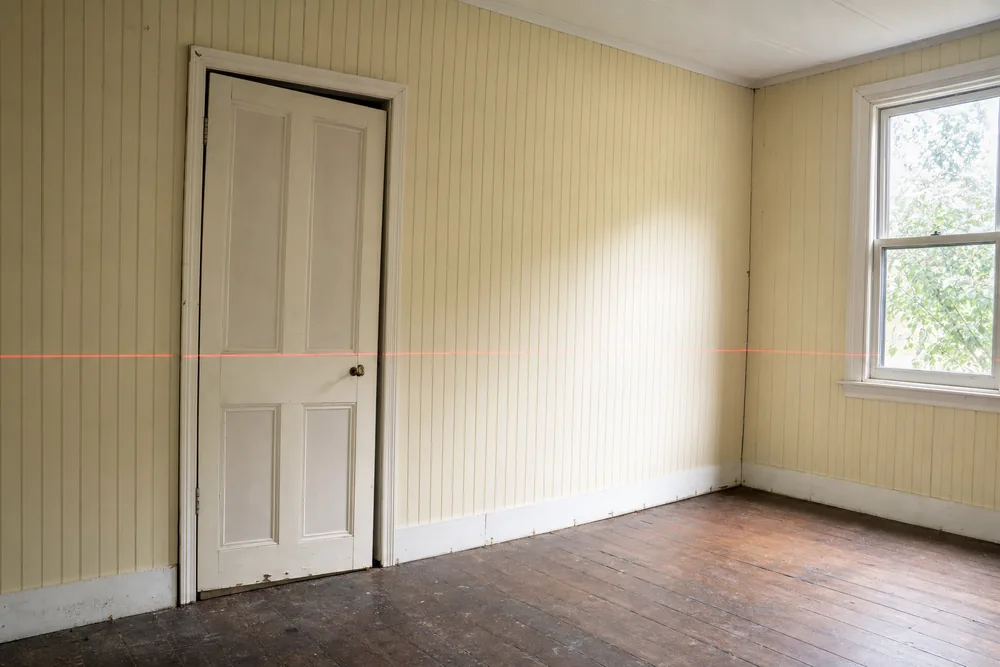
QBCC lists wall cracks over 5 mm that mean part of the wall must be replaced, noticeably bulging walls, doors or windows that stick and distort, and concrete floor cracks wider than 2 mm as not acceptable. Any of those is a reason to have the cause investigated.
Does the weather make a crack worse?
CSIRO says clay's swelling and shrinking is not usually noticeable unless there are prolonged rainy or dry periods of weeks or months, which is when moisture-driven cracks tend to show. It does not say which of the two a particular house is responding to, and a geotechnical report is how that is established.
Crack Repair by suburb
- Brisbane
- Underpinning in The Gap
- Underpinning in Bald Hills
- Underpinning in Murarrie
- Underpinning in Coopers Plains
- Underpinning in Enoggera
- Underpinning in Coorparoo
- Underpinning in Bridgeman Downs
- Holland Park West
- Keperra
- Brighton
- Greenslopes
- Tingalpa
- Norman Park
- Oxley
- East Brisbane
- Bracken Ridge
Ready to get your crack repair job quoted?
Free quote, one local provider, no obligation.
Last reviewed · Updated · First published